Bluffing is the heart and soul of Indian Poker, a thrilling mix of skill, strategy, and psychological warfare. Imagine holding a weak hand but making your opponents fold with sheer confidence—this is the art of bluffing. Whether you’re a beginner or an experienced player, learning how to bluff effectively can give you a significant edge in Indian Poker. In this guide, we’ll uncover the best tips and tricks to master bluffing and outsmart your rivals in every game.
Go to the Home Page and start playing!
Understanding the Power of Bluffing in Indian Poker
Bluffing in Indian Poker is not just about deception—it’s about strategic execution. A well-timed bluff can make your weak hand seem unbeatable and force stronger hands to fold. Mastering this skill requires a mix of observation, psychology, and calculated risks. The key is to create a believable story that convinces your opponents to react in your favor.
Top Tips to Master Bluffing in Indian Poker
1. Develop a Confident Table Presence
Your body language speaks volumes in Indian Poker. If you hesitate, fidget, or appear nervous, your bluff might fail before it even begins. Maintain a relaxed yet firm demeanor. A steady voice, unwavering eye contact, and composed gestures can convince others that you have a strong hand. Even in online Indian Poker, your betting patterns and timing reflect your confidence.
2. Observe Your Opponents Closely
Every player in Indian Poker has a unique style—some are aggressive, while others play cautiously. Identifying these patterns is crucial to knowing when and how to bluff. Pay attention to:
- How often a player folds or raises.
- Their betting habits in different rounds.
- Any signs of hesitation in their gameplay.
3. Choose the Right Moments to Bluff
Bluffing in Indian Poker is most effective when done selectively. Bluff too often, and your opponents will catch on. The best moments to bluff include:
- When playing against fewer opponents.
- When your table image is strong and consistent.
- When you sense weakness in your rivals’ bets or actions.
4. Utilize Semi-Bluffs for a Safer Approach
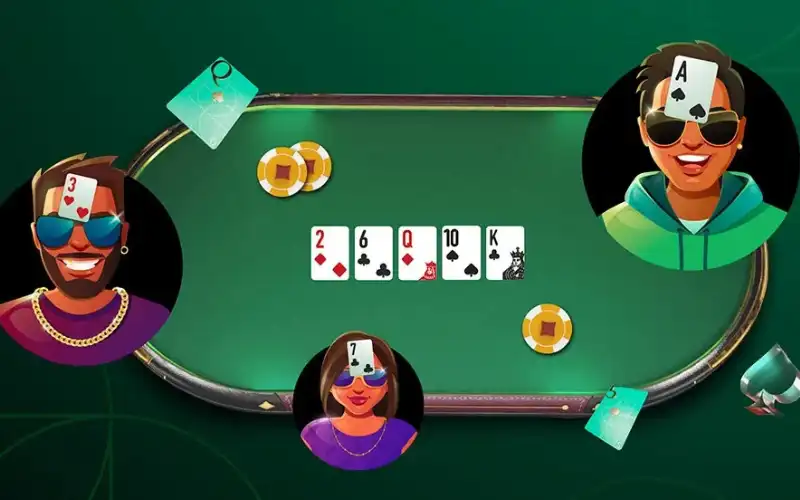
A semi-bluff occurs when your hand has the potential to improve. This is an excellent technique in Indian Poker because it increases your chances of winning in two ways—you may either make your opponent fold or hit a strong hand on the next draw. This makes bluffing less risky and more rewarding.
5. Manage Your Betting Strategy Wisely
A well-structured betting pattern strengthens your bluff. In Indian Poker, inconsistent bets can make your bluff suspicious. To maintain credibility:
- Bet confidently, mirroring your behavior when you hold a strong hand.
- Gradually increase your bets to build tension and pressure opponents.
- Avoid sudden, exaggerated raises unless you want to create a specific illusion.
6. Use Position to Your Advantage
Where you sit at the table impacts the success of your bluff in Indian Poker. Bluffing from a late position (acting after others) provides a clearer idea of how your opponents are playing. This allows you to make more informed decisions and execute a well-timed bluff effectively.
7. Mix Up Your Bluffing Style
If you bluff the same way every time, skilled opponents will quickly catch on. To keep your rivals guessing:
- Sometimes, show a strong hand after a bluff to build an unpredictable image.
- Occasionally, play straightforwardly to balance your strategy.
- Change your bet sizes and bluffing frequency based on the table dynamics.
8. Use Psychological Tricks to Your Advantage
Bluffing in Indian Poker is not just about cards—it’s about reading and influencing your opponents. Try these psychological tactics:
- Reverse tells: Act weak when strong, and strong when weak.
- Misdirection: Engage in casual conversation to distract opponents.
- Quick bets: Sometimes, acting fast can pressure hesitant players into folding.
9. Bluffing in Online Indian Poker
Online Indian Poker removes physical tells but adds a new layer of strategy. Here’s how to bluff effectively online:
- Pay attention to timing—fast or slow responses can indicate strength or weakness.
- Use chat strategically to influence your opponents’ decisions.
- Study bet sizes and patterns, as these replace physical expressions in an online setting.
Common Bluffing Mistakes to Avoid in Indian Poker
Even the best players make mistakes, but avoiding these errors can enhance your bluffing skills in Indian Poker:
- Bluffing too often: If you bluff constantly, opponents will call you out.
- Bluffing against calling stations: Some players rarely fold, making bluffing ineffective.
- Ignoring table image: If you’ve been caught bluffing multiple times, your credibility weakens.
- Overcommitting to a bluff: Know when to fold if your bluff isn’t working.
See More: Zynga Poker Leagues: Where Champions Are Made
Conclusion
Mastering bluffing in Indian Poker is an essential skill that separates casual players from true strategists. By developing confidence, reading your opponents, and choosing the right moments to bluff, you can turn the game in your favor. Remember, bluffing isn’t about lying—it’s about telling a convincing story with your bets, body language, and timing. Whether playing online or at a live table, these tips and tricks will enhance your bluffing ability, making every Indian Poker session more exciting and rewarding. Now, go ahead and test your newfound bluffing skills in your next Indian Poker game!
Uncover the secrets of Indian Poker that casinos don’t want you to know!